Essential Steps for Preparing an Estate Sale in California
Discover how to conduct a successful estate sale in California, covering organization, pricing, legal considerations, and finding professional services.
- Introduction to Estate Sales in California
- The Estate Sale Process
- Steps to prepare for an estate sale

Planning an estate sale can be a daunting task, especially in the vibrant and diverse landscape of California. Whether you are downsizing, settling an estate, or simply looking to declutter your home, preparing for an estate sale involves several essential steps that can make the process smoother and more successful. This article will guide you through the critical phases of organizing an estate sale, ensuring that you maximize your profits while minimizing stress. In a state renowned for its unique properties and eclectic treasures, navigating the intricacies of an estate sale requires careful consideration and strategic planning. From understanding the local market trends to knowing how to effectively price your items, every detail matters.
Moreover, engaging with the community and attracting potential buyers can significantly influence the outcome of your sale. As you delve into this comprehensive guide, you will uncover valuable insights and practical tips tailored specifically for California residents. We will explore everything from evaluating your belongings and staging your home to marketing your sale and handling transactions. By equipping yourself with knowledge and preparation, you can turn what might seem like an overwhelming challenge into a rewarding opportunity. Join us as we embark on this journey through the essential steps for preparing an estate sale. With our expert advice at your fingertips, you will be well-prepared to tackle each phase with confidence, ensuring a successful and profitable estate sale experience. Preparing for an estate sale in California involves a series of essential steps that can significantly impact the success of the sale.
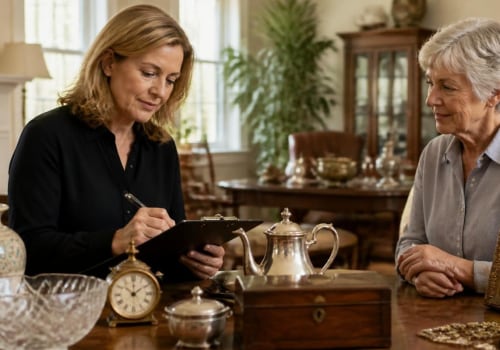
The first step is to assess items for sale and determine their value. This process often begins with a thorough inventory of all possessions that will be included in the sale. It’s important to categorize items into groups such as furniture, collectibles, electronics, and household goods. Once items are categorized, researching their market value through online platforms, auction sites, or local antique shops can help establish fair pricing.
Additionally, consulting with an appraiser can provide a professional valuation, particularly for high-value items. Once you have a clear understanding of what items you will be selling, the next step is to organize items effectively. Sorting through possessions can be emotionally taxing, especially when dealing with a loved one's estate. Start by decluttering and deciding what to keep, donate, or discard. Cleaning each item before the sale not only enhances its appeal but also ensures that buyers perceive the items as well-maintained and valuable.
Staging items in a way that showcases their best features can attract potential buyers. For example, arrange furniture to create inviting spaces and display collectibles in well-lit areas to draw attention. Pricing strategies play a crucial role in attracting buyers while ensuring fair compensation for sellers. Researching similar items sold at estate sales or online marketplaces can provide insight into competitive pricing. Consider pricing items slightly below market value to encourage quick sales, while being mindful not to undervalue your possessions.
Clearly marking prices on each item helps avoid confusion during the sale and streamlines the purchasing process. In California, there are specific legal considerations to keep in mind when preparing for an estate sale. Sellers must check if any local permits are required for conducting sales in their area. Some municipalities may require a sales permit, especially if the sale is held over multiple days or if it involves a large number of items. Understanding tax implications is also vital; sellers should be aware of any sales tax obligations on sold items and should keep detailed records for tax purposes.
Additionally, any necessary disclosures regarding the condition of items must be communicated to potential buyers to avoid legal complications. When deciding whether to hire professional estate sale services or conduct the sale independently, it's important to weigh the pros and cons. Hiring professionals can ease the burden of organizing and executing the sale, as they bring expertise in pricing, marketing, and negotiating with buyers. They often have established networks that can lead to increased foot traffic and sales. On the other hand, DIY sales can be more cost-effective and offer complete control over the process. Additionally, any necessary disclosures regarding the condition of items must be communicated to potential buyers to avoid legal complications. When deciding whether to hire professional estate sale services or conduct the sale independently, it's important to weigh the pros and cons. Hiring professionals can ease the burden of organizing and executing the sale, as they bring expertise in pricing, marketing, and negotiating with buyers. They often have established networks that can lead to increased foot traffic and sales. On the other hand, DIY sales can be more cost-effective and offer complete control over the process.
To find reputable service providers, consider seeking recommendations from friends or family or researching online reviews from past clients. Additionally, utilizing local listings of upcoming sales and auctions can provide insights into the market landscape. Websites such as EstateSales.net or Craigslist can be valuable resources for finding information about similar sales in your area, which can help gauge pricing strategies and attract potential buyers. Examples of successful estate sales can serve as inspiration throughout this process. For instance, a family that conducted an estate sale after downsizing found success by creating themed displays—setting up vintage clothing together with accessories from different eras—and advertising on social media platforms to reach a wider audience. These strategies resulted in a well-attended sale with many happy buyers. While there may be disagreements regarding DIY sales versus hiring professionals, it’s essential to consider personal circumstances when making this decision.
Some individuals may feel overwhelmed by the logistics involved in organizing an estate sale and could benefit from professional assistance. Others may prefer the hands-on approach of managing the sale themselves to maximize profits. Ultimately, preparing for an estate sale requires careful planning and consideration of various factors including item assessment, organization, pricing strategies, legal requirements, and whether to go it alone or seek professional help. By following these steps, individuals can create a successful estate sale experience that meets their needs and goals.
Legal Considerations in California Estate Sales
When planning an estate sale in California, it is crucial to be aware of the legal considerations that may impact the process. Understanding these aspects can help you navigate potential pitfalls and ensure that your sale is compliant with state laws. One of the first steps is to check if you need any permits.Depending on your location within California, local ordinances may require permits for holding an estate sale. It is advisable to contact your city or county office to inquire about specific requirements, as failing to obtain necessary permits can result in fines or the cancellation of your sale. Additionally, be mindful of your tax obligations. Estate sales may have tax implications, particularly concerning sales tax. In California, if you are selling tangible personal property, you may be required to collect sales tax from buyers and remit it to the state.
It is important to keep accurate records of all transactions to ensure compliance with tax regulations. Consumer rights also play a significant role in estate sales. As a seller, you should be aware of the rights of buyers under California law. This includes providing accurate descriptions of items for sale and disclosing any known defects. Misleading buyers can lead to disputes and potential legal issues. In summary, being informed about the legal considerations involved in estate sales in California—such as permits, tax obligations, and consumer rights—can help facilitate a smoother sale process and protect you from legal complications.
Marketing Your Estate Sale
Once you have prepared your estate sale, it is crucial to effectively market it to attract potential buyers.Utilizing both online platforms and traditional methods can significantly enhance the visibility of your sale.
Online advertising
is an essential tool in today's digital age. Start by creating a dedicated event page on social media platforms like Facebook. This allows you to reach a wider audience and share all relevant details about the sale, such as dates, times, and items available. Additionally, consider joining local buy/sell/trade groups on social media.Post engaging images of valuable items along with descriptions to generate interest. Another effective online method is to list your estate sale on websites specifically designed for this purpose, such as EstateSales.net or estatesales.org. Ensure that your listing is detailed and includes high-quality photos. This will help in attracting serious buyers. In addition to online strategies, do not underestimate the power of traditional marketing. Create eye-catching signs to place around your neighborhood leading up to the sale.
Make sure these signs are clear and easy to read from a distance. Flyers can also be distributed in local community centers, grocery stores, or coffee shops where potential buyers may frequent. Finally, consider word-of-mouth advertising. Inform friends, family, and neighbors about your estate sale. They may know someone who is looking for specific items and can help spread the word.
Combining both online and traditional marketing methods will maximize your reach and contribute to a successful estate sale.
Pricing Strategies for Maximum Profit
When preparing for an estate sale, one of the most crucial steps is determining the right pricing strategy for your items. Proper pricing not only attracts potential buyers but also ensures that you achieve maximum profit from your sale. Here are some key considerations to effectively price your items.Market Research
is essential in establishing a fair price. Start by researching similar items online through platforms like eBay, Craigslist, or specialized auction sites.Look for completed sales to gauge what buyers are willing to pay for items similar to yours. This research will give you a realistic understanding of the market value. Next, consider the condition of your items. Items that are in excellent condition can command higher prices compared to those that show signs of wear and tear. Be honest about the condition of each item; transparency builds trust with potential buyers and can lead to quicker sales. Additionally, keep in mind the timing of your estate sale.
Certain times of the year may yield better prices due to seasonal demand. For instance, furniture might sell better in spring when people are looking to refresh their homes. Planning your sale at an optimal time can enhance your selling price. Finally, consider implementing a negotiation strategy. Many buyers expect to negotiate prices at estate sales, so build a little wiggle room into your pricing.
Set your initial prices slightly higher than the lowest amount you are willing to accept. This approach allows room for negotiation while still achieving the profit you desire. In conclusion, effective pricing strategies require thorough market research, an honest assessment of item condition, awareness of seasonal demand, and a flexible negotiation strategy. By applying these principles, you can maximize your profits during your estate sale.
Finding Professional Services for Estate Liquidation
When planning an estate sale, one of the most critical steps is finding professional services for estate liquidationfinding professional services for estate liquidation. These experts can help streamline the process, ensuring a successful sale while minimizing stress.Here are some tips to help you identify and select reputable estate sale companies:First, conduct thorough research. Start by searching online for estate sale companies in your area. Look for reviews and testimonials on platforms like Google, Yelp, or specialized estate sale websites. Pay attention to feedback regarding their professionalism, transparency, and effectiveness in managing sales. Next, ask for recommendations from friends, family, or real estate agents who have experience with estate sales.
Personal referrals can provide valuable insights and help you narrow down your options. Once you've identified potential companies, schedule consultations with them. This step is crucial as it allows you to gauge their expertise and approach. During the meeting, inquire about their experience with estate liquidation, their fee structure, and the services they offer. A reputable company should be transparent about all costs involved and provide a detailed plan for your sale. Additionally, check if the company has the necessary licenses and insurance.
This ensures that they are operating legally and protects you from liability during the sale. You can ask to see their credentials and verify them with local authorities. Finally, trust your instincts. After meeting with potential estate sale companies, choose one that not only meets your needs but also makes you feel comfortable and confident in their ability to handle your estate.
Assessing and Organizing Items for Sale
When preparing for an estate sale, one of the most crucial steps is assessing and organizing the items you plan to sell. This process not only helps in determining what is valuable but also makes the sale smoother and more efficient. To begin with, take a thorough inventory of all items in the estate.Walk through each room, making a list of everything that could potentially be sold. It’s helpful to categorize items into groups such as furniture, electronics, collectibles, and household goods. This organization will aid in pricing and displaying items later on. Next, evaluate each item’s condition and market value. Research similar items online to understand their selling prices.
Consider consulting with appraisers or estate sale professionals for items that may hold significant value, such as antiques or art pieces. Be honest about the condition; items that are damaged or worn may need to be priced lower or even excluded from the sale. Once you have assessed the value, it’s time to organize. Create a dedicated space for items that will be sold. If possible, set up tables or display areas where potential buyers can easily view items.
Group similar items together to enhance visibility and encourage purchases—placing kitchenware with other cooking-related items, for instance. Labeling is also essential in this stage. Use tags to indicate prices clearly, and consider using colored stickers for different price ranges or categories. This will help buyers quickly identify their options and will streamline transactions during the sale. Finally, consider how you want to display your items. Well-organized displays not only attract buyers but also create a more enjoyable shopping experience.
Arrange items so they are easy to reach and examine while maintaining a clean and inviting environment. By carefully assessing and organizing your estate sale items, you’ll set the stage for a successful sale that maximizes profits and minimizes stress. In conclusion, preparing for an estate sale in California requires careful assessment and organization of items, strategic pricing, and an understanding of legal considerations. Each of these elements plays a crucial role in ensuring a successful sale that meets your goals, whether it be downsizing, liquidating a loved one's estate, or decluttering your space. It is essential to remember that thorough preparation is the cornerstone of a successful estate sale. By following the steps outlined in this article, you will not only maximize your profits but also streamline the entire process. We encourage you to take action based on these recommendations and utilize the available resources for support throughout your journey. Whether you choose to engage professional services or handle the sale independently, being well-prepared will make all the difference.

Gerardo Liverani
Gerardo Liverani is a seasoned expert in California estate sales and estate liquidation, bringing years of experience to help individuals navigate the complexities of selling inherited items and organizing successful estate sales. With a deep understanding of the legal considerations and best practices specific to California, Gerardo provides actionable insights and strategies for pricing, marketing, and conducting estate sales effectively. Whether you're looking to hire a professional estate sale company or want to tackle the process yourself, Gerardo's expertise ensures that you are well-equipped to make informed decisions throughout your estate sale journey.