Navigating Emotional Connections with Inherited Treasures
Explore how to manage emotional ties to inherited items while preparing for estate sales in California, including tips and resources.
- Tips for Selling Inherited Items
- Emotional Considerations
- Coping with emotional attachment to inherited items
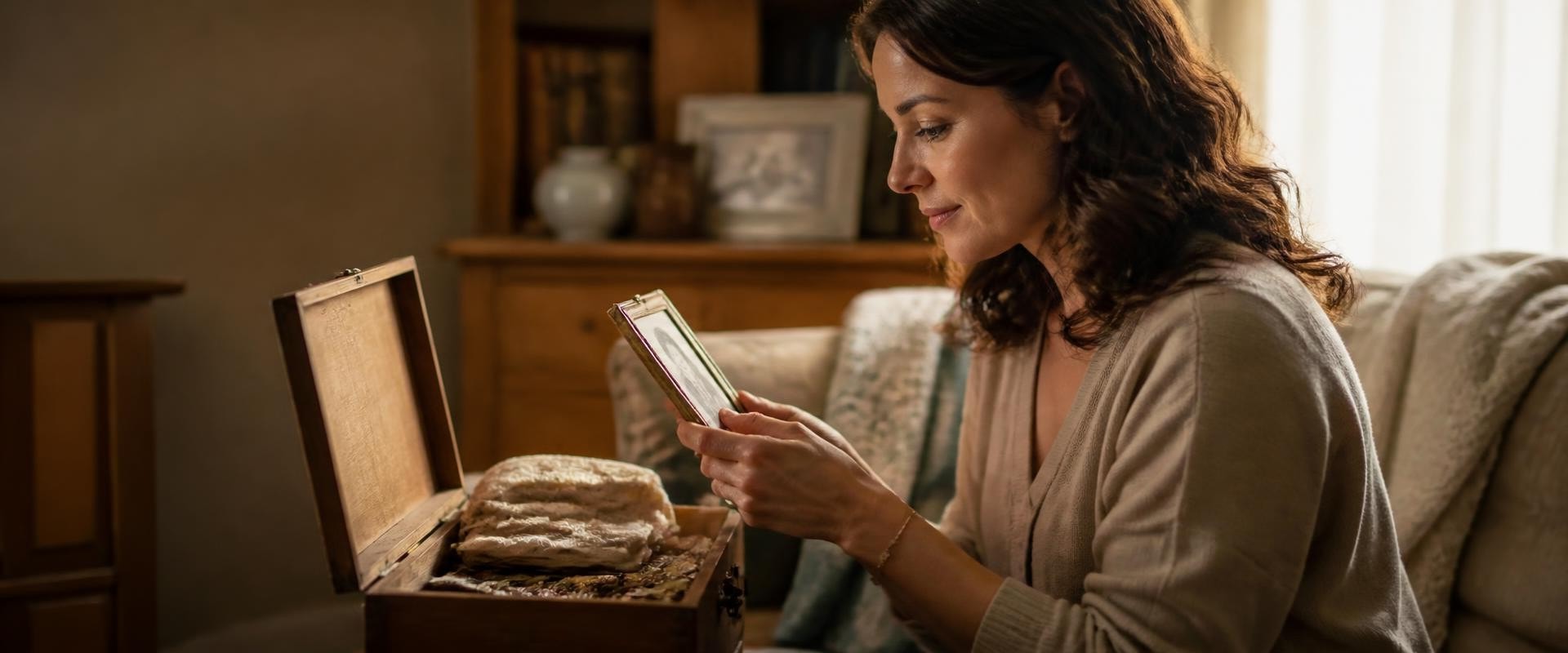
In the journey of life, we often find ourselves entwined with the memories and legacies of those who came before us. Inherited items, whether they are cherished family heirlooms or simple everyday objects, carry with them not just material value but profound emotional connections. In the journey of life, we often find ourselves entwined with the memories and legacies of those who came before us. Inherited items, whether they are cherished family heirlooms or simple everyday objects, carry with them not just material value but profound emotional connections. Coping with emotional attachment to inherited itemsCoping with emotional attachment to inherited items can be a delicate balancing act, as these treasures often evoke feelings of nostalgia, love, and sometimes even grief. As we navigate the complexities of dealing with these possessions, it is essential to recognize that our emotions are valid and play a crucial role in how we approach the decision to keep or sell these items. In this article, titled Navigating Emotional Connections with Inherited Treasures, we will explore the intricate relationship between our feelings and inherited belongings.
We aim to provide insightful tips that will empower you to make informed choices while honoring the memories associated with these treasures. Join us as we delve into the emotional landscape surrounding inherited items, providing you with the tools to manage your sentiments and approach the process of selling with clarity and compassion. Whether you are looking to declutter your space or simply understand your feelings better, this article serves as a guide to help you navigate this often-challenging journey. Dealing with inherited items can often feel like navigating a labyrinth of emotions. Many individuals find themselves at a crossroads, torn between the **sentimental value** of possessions left behind by loved ones and the practical necessity of selling these items. This emotional connection can complicate the process significantly, making it essential to understand and cope with the feelings that arise.
The journey through grief and nostalgia is a common experience for those facing the challenge of sorting through inherited treasures. Acknowledging feelings of **grief** is crucial when dealing with inherited possessions. Each item often carries with it a story, a memory that resonates deeply within us. For instance, a cherished family heirloom—a grandmother's quilt, for example—may evoke vivid memories of family gatherings and warm embraces. The thought of parting with such an item can elicit a profound sense of loss, amplifying the grief associated with the loved one who has passed.
These feelings are valid and should be embraced as part of the emotional journey. To help manage these emotions, consider creating a **memory book** dedicated to the items you are contemplating selling. This book can include photographs, stories, and personal reflections about each item, allowing you to honor the memories without holding onto every physical piece. Involving family members in discussions about which items to keep or sell can also be beneficial. This collaborative approach not only eases the burden but can also lead to shared memories and perhaps even new traditions as items are passed down or repurposed. It’s also wise to set aside special items that you wish to keep.
By designating a specific space for these treasures, you create a physical reminder of your loved one while allowing yourself the freedom to let go of other items that may not hold as much significance. This practice can help in mitigating feelings of guilt associated with selling inherited possessions.As you navigate these emotional waters, it's important to recognize the necessity of **estate sales** and liquidation processes, particularly in places like California where regulations can be complex. Once you've decided which items to part with, organizing them effectively is essential for a successful sale. Begin by categorizing items into groups based on their type or value. By designating a specific space for these treasures, you create a physical reminder of your loved one while allowing yourself the freedom to let go of other items that may not hold as much significance. This practice can help in mitigating feelings of guilt associated with selling inherited possessions. As you navigate these emotional waters, it's important to recognize the necessity of **estate sales** and liquidation processes, particularly in places like California where regulations can be complex. Once you've decided which items to part with, organizing them effectively is essential for a successful sale. Begin by categorizing items into groups based on their type or value.
This organization will make it easier to price items accurately and appeal to potential buyers. When it comes to **pricing strategies**, research similar items online or consult with professionals who specialize in estate sales. Understanding the market value of your inherited belongings can help you set realistic prices that reflect both their monetary worth and their sentimental significance. If you're unsure about how to proceed, seeking professional help can alleviate much of the stress associated with the process. Many companies offer comprehensive estate sale services, handling everything from advertising to setup and sales. In California, there are specific **legal considerations** to keep in mind during this process.
Be aware of tax implications related to selling inherited items, as well as any regulations regarding estate sales in your area. It may be beneficial to consult with an estate attorney or financial advisor who can provide insights tailored to your situation. Finally, community connections play a vital role in organizing estate sales or auctions. Utilize local listings for estate sales and auctions to reach potential buyers effectively. Websites and social media platforms can be invaluable tools for promoting your sale within your community.
Building relationships with local auction houses or estate sale companies can also lead to fruitful partnerships that ease the process. Navigating the emotional connections tied to inherited treasures is undoubtedly challenging, yet it is a journey filled with opportunities for reflection and healing. By acknowledging your feelings, involving family in discussions, and utilizing practical strategies for selling these items, you can honor your loved one's memory while taking the necessary steps towards closure.
Understanding Emotional Attachments
When faced with the task of sorting through inherited items, many individuals find themselves grappling with a complex mix of grief and nostalgia. These feelings can significantly influence decision-making, making it challenging to assess the true value of possessions left behind by loved ones. The emotional weight of each item often leads to an internal struggle between wanting to hold onto memories and the practicalities of moving forward. The impact of grief plays a crucial role in how we perceive inherited belongings.Each object may evoke memories of cherished moments, connecting us to our loved ones in profound ways. This emotional connection can make it difficult to part with items, even if they no longer serve a practical purpose in our lives. For instance, a family heirloom may remind us of joyful gatherings, while a simple piece of furniture might bring back bittersweet memories of a loved one’s presence. Nostalgia also amplifies this emotional connection. It can create a sense of longing for the past, making it tempting to hold onto items as a way of preserving those memories.
However, this can complicate the decision-making process when it comes time to sell or part with these treasures. Individuals may find themselves torn between the desire to honor their loved ones and the need to declutter their lives. Understanding these emotional attachments is essential for navigating the complexities of selling inherited items. It’s important to recognize that feeling overwhelmed by grief or nostalgia is completely normal. Acknowledging these emotions can help individuals approach the decision-making process with greater clarity and compassion towards themselves. As we delve deeper into the practical aspects of estate sales, it’s crucial to remember that the journey through grief and nostalgia is personal and unique for everyone.
Embracing these feelings, while also seeking support from others, can facilitate a healthier approach to managing inherited items.
Estate Sale Logistics in California
When it comes to organizing an estate sale in California, the logistics can be as challenging as the emotional attachments to the items themselves.Coping with emotional attachment to inherited items
requires a delicate balance between sentimentality and practicality. Start by assessing the items you wish to sell, keeping in mind their sentimental value versus their market value. To begin organizing, categorize items into groups: furniture, collectibles, clothing, and personal effects. This makes it easier for potential buyers to browse through the sale.As you sort through each category, take time to reflect on the memories associated with each piece. Acknowledge your feelings, but try to remain objective about what can realistically be sold. Next, pricing items can be particularly tricky. While you may attach a high sentimental value to a piece, it’s essential to research similar items in the market to set a fair price. Websites like Craigslist or eBay can provide insight into what similar items are selling for in your area.
Remember that emotional attachments might lead you to overvalue some items, so consider getting a second opinion from a trusted friend or a professional appraiser. Once you have categorized and priced your items, think about the layout of your estate sale. Create an inviting space that allows items to shine without overwhelming buyers. Use tables for smaller objects and arrange furniture thoughtfully to encourage movement throughout the area. Highlight unique pieces with clear pricing tags while ensuring that everything is easily accessible. As you navigate through this process, remember that it’s okay to hold onto certain items that carry significant emotional weight.
The goal of an estate sale is not only to clear out possessions but also to honor the memories tied to them. By effectively organizing and pricing your inherited treasures, you can facilitate a smoother sale while still respecting your emotional journey.
Legal Considerations and Resources
When dealing with inherited items, understanding the legal considerations is crucial to ensure a smooth transition from emotional attachment to practical decision-making. Inherited possessions often come with specific legal implications, especially if the estate includes significant assets or valuable antiques. Firstly, it is essential to establish whether the inherited items are part of a larger estate plan. This may involve reviewing the will or trust documents left by the deceased.If these documents are unclear or if disputes arise among heirs, consulting with a probate attorney can provide clarity and direction. They can help navigate the legal intricacies of inheritance laws specific to your state. Additionally, understanding the tax implications of selling inherited items is important. In some cases, inherited assets may carry a step-up in basis, which can significantly reduce capital gains taxes when sold. A financial advisor or tax professional can provide guidance on how to handle these matters to avoid unnecessary financial burdens. For those considering an estate sale, knowing local laws regarding sales and auctions can be beneficial.
Many states have regulations that govern how estate sales should be conducted, including necessary permits and taxes that may apply. Local estate sale companies usually have a comprehensive understanding of these laws and can assist in ensuring compliance while maximizing the value of the items sold. If you need assistance in finding professionals for help with selling inherited items, consider reaching out to local resources such as real estate agents, appraisers, or estate sale companies. Websites like the National Estate Sale Association can provide listings of reputable businesses in your area. Additionally, online platforms like Craigslist or Facebook Marketplace can connect you with local buyers but proceed with caution and verify their legitimacy. In conclusion, while emotional attachment to inherited items is natural, addressing the legal considerations early on will pave the way for a more organized and less stressful process when it comes time to sell these treasures.
Practical Tips for Coping
When faced with the challenge of coping with emotional attachment to inherited items, it's essential to approach the situation thoughtfully.Here are some actionable steps to help you manage your feelings while honoring the memories tied to these possessions.
1.Create a Memory Box:
One effective way to cope is by selecting a few cherished items and placing them in a memory box. This can include photographs, letters, or small keepsakes that represent your loved one. This way, you can keep their memory alive without being overwhelmed by an entire household of belongings.2.Document Your Memories:
Consider writing down stories or memories associated with specific items. This documentation can serve as a beautiful tribute and make it easier to part with physical objects when you know their stories are preserved in another form.3.Repurpose Items:
Instead of selling or discarding inherited items outright, think creatively about how they can be repurposed.For example, turning an old quilt into throw pillows or using a vintage piece of furniture in a new way can help you keep the essence of the item while giving it new life.
4.Share with Family:
Involving family members in the decision-making process can help ease emotional burdens. Discuss which items hold significance for each person and consider sharing or passing them on to those who will cherish them just as much.5.Host a Celebration:
Organizing a small gathering to celebrate the life of your loved one can provide closure and allow you to share stories about inherited items. This communal approach often makes it easier to let go as everyone comes together to honor the past.6.Seek Professional Help:
If feelings of attachment become overwhelming, consider speaking with a therapist or counselor specializing in grief and loss. They can provide valuable insights and coping strategies tailored to your emotional needs. By implementing these practical tips, you can navigate the complex emotions tied to inherited items while honoring the legacies of those you’ve lost. In conclusion, navigating the emotional landscape of inherited items requires a delicate balance between emotional considerations and the practical aspects of selling.It is essential for readers to recognize that these possessions carry memories and connections that can complicate the decision-making process. Taking the time to reflect on what each item means to you is vital. Remember, it’s perfectly acceptable to seek support from professionals or loved ones who can help guide you through this journey. Allow yourself the grace to process your emotions while also being mindful of the practicalities involved in estate sales. Ultimately, whether you choose to keep, sell, or donate inherited items, what matters most is honoring the memories they hold while making decisions that are right for you.

Gerardo Liverani
Gerardo Liverani is a seasoned expert in California estate sales and estate liquidation, bringing years of experience to help individuals navigate the complexities of selling inherited items and organizing successful estate sales. With a deep understanding of the legal considerations and best practices specific to California, Gerardo provides actionable insights and strategies for pricing, marketing, and conducting estate sales effectively. Whether you're looking to hire a professional estate sale company or want to tackle the process yourself, Gerardo's expertise ensures that you are well-equipped to make informed decisions throughout your estate sale journey.