Understanding the Key Factors That Influence Estate Sale Pricing
Explore the various factors that influence the pricing of estate sale items in California, including market trends, item condition, and legal considerations.
- Estate Sale Pricing Strategies
- Determining Item Value
- Factors influencing pricing of estate sale items
When it comes to estate sales, the pricing of items can often feel like a complex puzzle. Many factors come into play, influencing how much an item is worth to potential buyers. Understanding these factors influencing pricing of estate sale items is crucial for both sellers looking to maximize their profits and buyers hoping to snag a great deal. In the world of estate sales, every piece has a story, and every story has a price tag. From the condition and rarity of an item to current market trends and emotional value, there are numerous elements that shape the final price.
As you navigate through the intricacies of pricing strategies, you’ll discover that knowledge is power. Whether you are an experienced seller or a curious buyer, this comprehensive guide aims to shed light on the key influences behind estate sale pricing. Join us as we explore the multifaceted nature of item valuation in estate sales, unraveling the various dimensions that contribute to setting prices. With insights drawn from industry experts and practical examples, you'll be equipped with the information you need to make informed decisions in the estate sale marketplace. Understanding the intricacies of pricing in estate sales is crucial for anyone involved in this market, especially in California. Proper pricing not only facilitates successful liquidation of items but also ensures that sellers are satisfied with the outcomes of their sales.
The California estate sale market has unique characteristics that influence pricing strategies, making it imperative for sellers to be well-informed about these factors. One of the primary factors influencing estate sale pricing is market demand and trends. In California, the economy can significantly impact the value of items during an estate sale. For instance, during periods of economic growth, buyers may be more willing to pay higher prices due to increased disposable income and a competitive market. Conversely, during economic downturns, demand may wane, leading to lower prices.
Sellers must remain attuned to these market fluctuations and adjust their pricing strategies accordingly. The condition of items is another critical factor affecting pricing. Items that are well-maintained, clean, and in working order generally command higher prices than those that show signs of wear and tear. Additionally, the rarity of an item can elevate its value. Unique or hard-to-find pieces often attract collectors and enthusiasts who are willing to pay a premium.
Similarly, brand recognition plays a significant role; items from reputable brands are often viewed as more desirable and can be priced higher due to perceived quality and status associated with the brand. Professional appraisals can provide invaluable guidance for sellers when setting prices. Experienced appraisers consider various aspects such as item condition, market trends, and comparable sales data to determine fair values. Their expertise can help sellers avoid the pitfalls of overpricing or underpricing their items, ultimately leading to more successful sales outcomes. For example, if a seller has an antique piece that is appraised at $1,000 but they initially list it for $500 out of a desire for quick sales, they may end up missing out on significant potential revenue. Legal considerations specific to California also influence pricing strategies in estate sales.
Sellers need to be aware of tax implications related to the sale of inherited goods. For instance, inherited items may be subject to different tax rules than purchased items, which could affect the seller's net profit from the sale. Furthermore, regulations surrounding the sale of certain goods, such as firearms or collectibles, must be adhered to in order to avoid legal repercussions that could also impact pricing. When it comes to pricing discussions, disagreements between buyers and sellers are not uncommon. Buyers may perceive an item's value differently based on their individual preferences or market knowledge.
To navigate these discussions effectively, sellers should be prepared with data from similar sales as evidence for their pricing decisions. For example, if a seller has a vintage sofa priced at $800 and a buyer believes it should be worth only $600, presenting data from recent similar sales can help justify the asking price. In conclusion, understanding the various factors influencing pricing of estate sale items is essential for success in this competitive marketplace. From local economic conditions and item characteristics to legal considerations and effective negotiation strategies, sellers in California must be well-equipped with knowledge and insights to maximize their returns during estate sales.
Professional Appraisals
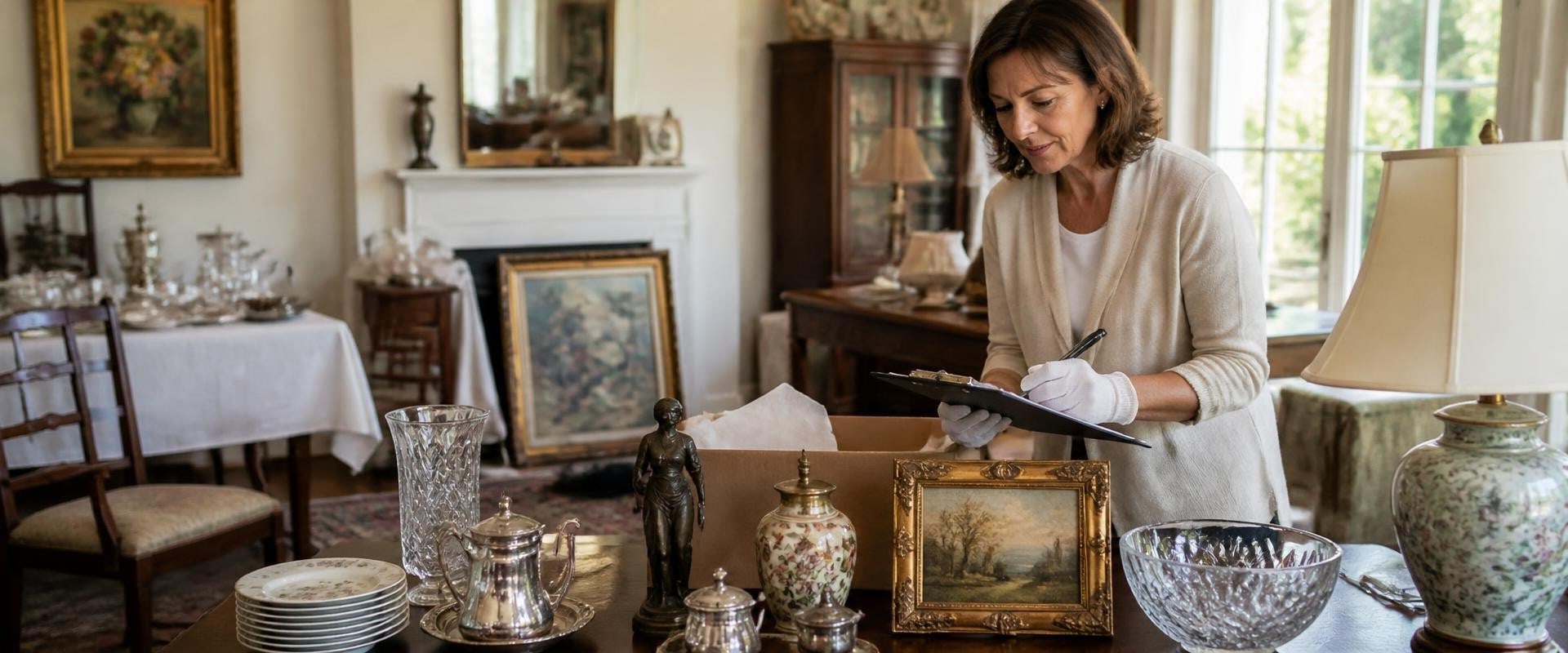
Obtaining professional appraisals is a critical step in accurately pricing items for an estate sale. These appraisals provide an expert evaluation of the worth of various items, which can help sellers avoid underpricing or overpricing their possessions.By engaging a qualified appraiser, sellers can gain insights into the current market trends, rarity, and demand for specific items, ensuring that they set realistic and competitive prices. Furthermore, professional appraisals often come with detailed documentation that can enhance the credibility of the sale. This documentation can attract more potential buyers who are reassured by the verified value of the items. In states like California, where the estate sale market can be particularly diverse and competitive, having a professional appraisal can make a significant difference in achieving a successful liquidation. Additionally, appraisers are skilled at identifying unique characteristics or historical significance that may increase an item's value. This level of expertise is invaluable, especially for items that may not have a clear market value due to their age or condition.
By investing in professional appraisals, sellers not only ensure accurate pricing but also gain peace of mind knowing that they are making informed decisions regarding their estate sale.
Item Condition and Rarity
When it comes to estate sales, item condition plays a pivotal role in determining pricing. Buyers are often willing to pay a premium for items that are well-maintained, in working order, and show minimal signs of wear. Conversely, items that are damaged, stained, or exhibit significant wear and tear will typically command lower prices. Therefore, it is essential for sellers to thoroughly assess the physical state of each item prior to pricing.This assessment not only includes visual inspection but also functionality testing where applicable. In addition to condition, rarity significantly impacts an item's value. Unique or hard-to-find items tend to attract more attention and can drive up prices considerably. For instance, vintage collectibles, limited-edition pieces, or items with historical significance are often sought after by collectors and enthusiasts alike. Sellers should research the market to identify whether an item is rare and how that rarity translates to potential pricing. In the competitive California market, understanding both item condition and rarity is crucial.
Items that stand out due to their unique characteristics or exceptional condition can be priced higher, maximizing returns for sellers. Therefore, taking the time to evaluate these factors can lead to more effective pricing strategies and ultimately result in a successful estate sale.
Brand Recognition
Brand recognition plays a significant role in the pricing of estate sale items. When buyers see a familiar brand, they often associate it with quality, reliability, and prestige. This perception can significantly influence their willingness to pay more for items from that brand. For instance, high-end brands like Chanel, Rolex, or Louis Vuitton are not just names; they represent a certain lifestyle and status.Buyers are willing to invest in these brands because they believe they are purchasing not just an item, but also an experience or an identity. This is especially true in a market like California, where the culture often embraces luxury and exclusivity. Moreover, the demand for well-known brands often leads to higher resale values. Collectors and enthusiasts actively seek out items from reputable brands, creating a competitive market that can drive prices up during estate sales. Sellers should be aware of this dynamic when pricing their items; highlighting brand names can attract more interest and justify higher asking prices. In summary, understanding the impact of brand recognition is essential for anyone involved in estate sales.
By leveraging the desirability of well-known brands, sellers can enhance their pricing strategies and achieve better outcomes in their sales efforts.
Market Demand and Economic Trends
Understanding the market demand and economic trends is crucial when determining the pricing of estate sale items. Local economic conditions play a significant role in influencing buyer interest and, consequently, sale prices. For instance, in prosperous areas of California, where the economy is booming, buyers may be more willing to spend on high-quality items, leading to higher prices at estate sales. Conversely, during economic downturns or periods of uncertainty, buyers tend to be more cautious with their spending. This can result in decreased demand for estate sale items, prompting sellers to adjust their pricing strategies accordingly.It's important to stay informed about local market trends, such as employment rates and housing market fluctuations, as these factors can directly impact the willingness of buyers to pay premium prices. Additionally, understanding the preferences and interests of potential buyers in your area can significantly enhance pricing strategies. For example, if there is a growing trend for mid-century modern furniture in a particular neighborhood, estate sale items that align with this trend may see an increase in value. Therefore, sellers should conduct thorough research on current buyer interests to optimize their pricing. In summary, recognizing how local economic conditions and buyer interest affect estate sale prices is essential for successful liquidation. By adapting pricing strategies to reflect these influences, sellers can improve their chances of achieving favorable outcomes during estate sales.
Legal Considerations in California
When it comes to pricing estate sale items, legal considerations play a critical role, particularly in California.One of the primary factors influencing pricing is the understanding of inheritance laws. In California, the laws regarding inheritance can significantly impact how items are valued and sold during an estate sale. For example, if an estate is subject to probate, the process can affect the timing and manner in which items are liquidated. Additionally, tax implications are vital to consider. Sellers must be aware of potential taxes on capital gains when selling valuable items that have appreciated in value.
Understanding these tax responsibilities can influence the pricing strategy used for estate sale items. If sellers do not take these taxes into account, they may set prices too low or too high, leading to financial losses or unsold inventory. Moreover, California has specific regulations regarding sales tax that must be adhered to during estate sales. Failure to comply with these regulations can result in penalties and affect the overall profitability of the sale. Therefore, it is essential for sellers and estate sale professionals to be well-versed in local laws and regulations to ensure compliant pricing. In conclusion, navigating the legal landscape surrounding estate sales in California is crucial for effective pricing strategies.
By understanding inheritance laws, tax implications, and local regulations, sellers can better position themselves for successful sales and maximize their returns.
Navigating Buyer-Seller Disagreements
During estate sales, disagreements over item value can often arise between buyers and sellers. Understanding how to navigate these disputes is crucial for a smooth transaction and overall satisfaction for both parties. Here are some effective strategies to address disagreements on item value.1.Establish Clear Communication:
Open and honest communication is essential in any negotiation. Sellers should be transparent about their pricing rationale, including any appraisals or market research that informed their prices.Buyers, on the other hand, should feel comfortable expressing their concerns or presenting their own research.
2.Provide Documentation:
Having documentation such as appraisals, receipts, or historical sales data can help substantiate claims from both buyers and sellers. This evidence can serve as a reference point in discussions and may help reach a consensus more quickly.3.Be Willing to Negotiate:
Flexibility can go a long way in resolving disputes. Sellers should be open to negotiating prices while still ensuring they meet their financial goals. Likewise, buyers should be willing to adjust their expectations based on the seller’s insights and evidence.4.Create a Calm Environment:
Disagreements can become heated if emotions run high.It’s important to maintain a calm demeanor and approach discussions with respect and understanding. Taking a step back to cool off can also be beneficial if tensions rise.
5.Consider Professional Mediation:
In cases where disagreements cannot be resolved amicably, it may be beneficial to involve a neutral third party, such as a professional estate sale company or mediator. Their expertise can help facilitate discussions and find a fair resolution.6.Know When to Walk Away:
Sometimes, despite best efforts, an agreement may not be possible. Both buyers and sellers should recognize when it’s time to walk away from the table if neither party feels satisfied with the terms being discussed. By implementing these strategies, both buyers and sellers can navigate disagreements more effectively, leading to a more positive estate sale experience overall. In conclusion, the factors influencing pricing of estate sale items are multifaceted and can significantly impact the success of your sale.From understanding market demand and economic trends to recognizing the condition and rarity of items, these elements play a crucial role in determining value. Additionally, the influence of brand recognition, the importance of professional appraisals, and the unique legal considerations in California should not be overlooked. Navigating potential buyer-seller disagreements is also essential for a smooth transaction. It is imperative to conduct thorough research and take into account local market conditions when setting prices for estate sale items. Utilizing professional services can provide valuable insights and assistance in this process.
Remember, informed pricing is key to achieving successful estate sales and ensuring satisfaction for both sellers and buyers.

Gerardo Liverani
Gerardo Liverani is a seasoned expert in California estate sales and estate liquidation, bringing years of experience to help individuals navigate the complexities of selling inherited items and organizing successful estate sales. With a deep understanding of the legal considerations and best practices specific to California, Gerardo provides actionable insights and strategies for pricing, marketing, and conducting estate sales effectively. Whether you're looking to hire a professional estate sale company or want to tackle the process yourself, Gerardo's expertise ensures that you are well-equipped to make informed decisions throughout your estate sale journey.