Navigating Conversations About Selling Inherited Items
Learn how to approach family discussions regarding the sale of inherited items, including emotional considerations and practical tips for estate sales in California.
- Tips for Selling Inherited Items
- Emotional Considerations
- Talking to family members about selling inherited items
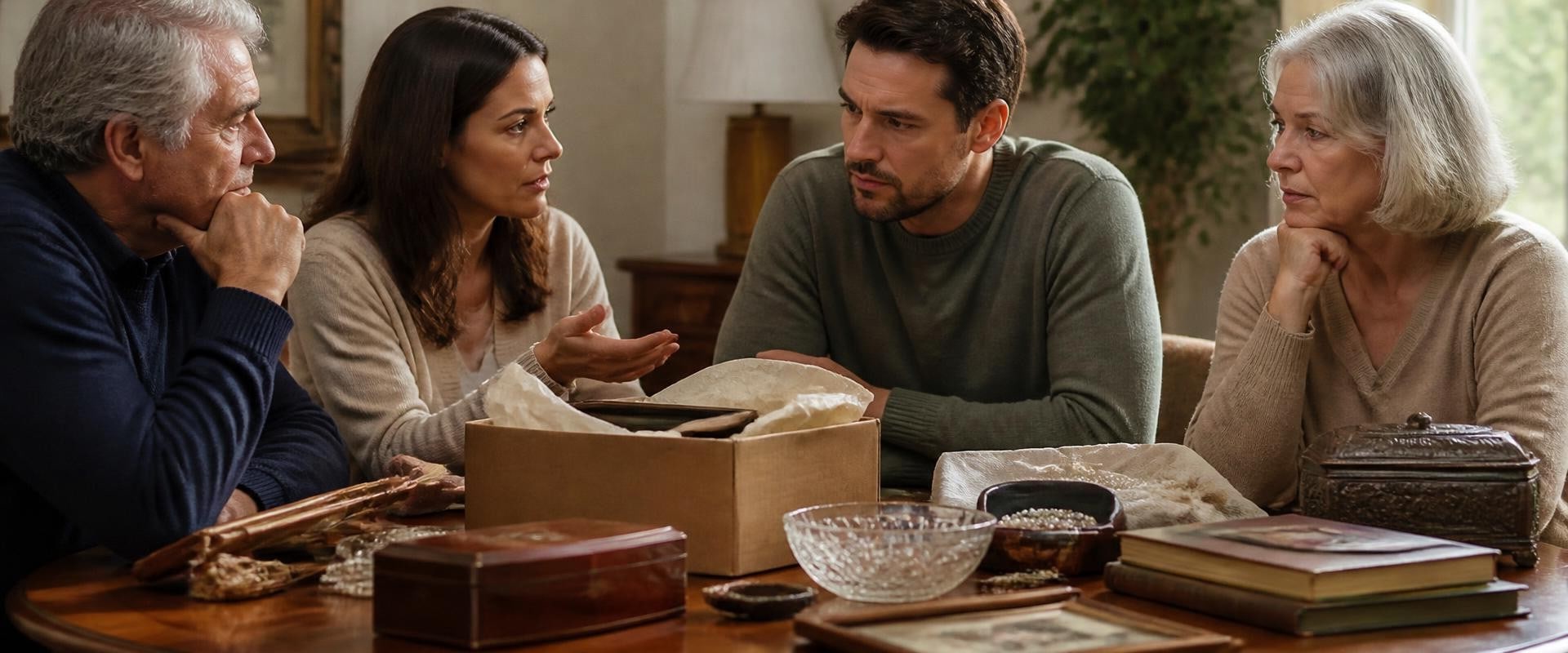
Inheriting items from loved ones can evoke a whirlwind of emotions, often leaving us feeling both grateful and overwhelmed. As we navigate the process of selling inherited items, one of the most delicate challenges we face is initiating conversations with family members about what to do with these possessions. Whether it’s a cherished heirloom, a collection of antiques, or even everyday items that hold sentimental value, discussing their fate can stir up a mix of feelings—nostalgia, sadness, and even conflict. How do we approach these sensitive discussions without causing rifts or hurt feelings? In this article, we will explore effective strategies for talking to family members about selling inherited items, providing you with the tools you need to foster open communication and understanding. From setting the right tone to understanding each other's perspectives, you’ll learn how to navigate these conversations with compassion and care. Join us as we delve into practical tips and emotional considerations that will not only help you address the logistics of selling inherited items but also preserve family bonds in the process.
Together, we can transform what could be a difficult dialogue into an opportunity for connection and shared memories. When it comes to talking to family members about selling inherited items, the environment in which you have these discussions can significantly influence their outcome. Setting a comfortable and inviting space is crucial for fostering open dialogue. Consider choosing a familiar setting, such as a family home or a quiet café, where everyone feels at ease. The goal is to create an atmosphere that encourages honesty and respect, allowing each person to express their feelings without fear of judgment. Initiating the conversation can be daunting, but with thoughtful planning, it can be approached gracefully.
Timing is essential; avoid moments of high stress or family gatherings where emotions may already be heightened. Instead, propose a dedicated time to sit down and discuss the inherited items specifically. This approach not only shows that you respect the significance of the items but also that you value everyone’s input. Begin by expressing your own feelings about the items—perhaps how they evoke cherished memories or represent the loved one who has passed away.
Sharing your perspective can help others feel more comfortable doing the same. When discussing the reasons for selling inherited items, clarity is key. Be honest about your motivations—whether it’s financial necessity, lack of space, or a desire to see the items appreciated by others rather than collecting dust. By framing the conversation around practical aspects while being sensitive to emotional attachments, you can help family members understand your viewpoint. Acknowledge that many families face similar challenges when dealing with inherited possessions, which can normalize the discussion and reduce feelings of isolation. Active listening plays a pivotal role in these discussions.
Allow each family member to voice their thoughts and feelings, even if they differ from yours. Acknowledge their perspectives without interrupting; this demonstrates respect and empathy for their sentiments. You might hear concerns about sentimental attachments or fears of forgetting loved ones when selling their belongings. It’s important to validate these feelings and reassure family members that moving forward does not mean erasing memories.
Discuss ways to honor those memories—perhaps by taking photos of the items, creating a scrapbook, or designating certain pieces as keepsakes. In California, there are specific legal considerations that can impact the sale of inherited items. Understanding property laws is essential; for instance, if the inherited property includes real estate, it may require a formal transfer of ownership before it can be sold. Additionally, be aware of potential tax implications associated with selling inherited assets, such as capital gains tax or inheritance tax that may arise when selling high-value items. It might be beneficial to consult with a legal professional familiar with California estate laws to navigate these complexities effectively. For families considering estate liquidation in California, various professional services can assist in the process. Discuss ways to honor those memories—perhaps by taking photos of the items, creating a scrapbook, or designating certain pieces as keepsakes. In California, there are specific legal considerations that can impact the sale of inherited items. Understanding property laws is essential; for instance, if the inherited property includes real estate, it may require a formal transfer of ownership before it can be sold. Additionally, be aware of potential tax implications associated with selling inherited assets, such as capital gains tax or inheritance tax that may arise when selling high-value items. It might be beneficial to consult with a legal professional familiar with California estate laws to navigate these complexities effectively. For families considering estate liquidation in California, various professional services can assist in the process.
These services often include appraisals, auction houses, and estate sale companies that specialize in liquidating personal belongings efficiently and respectfully. Resources such as the California Association of Realtors or websites like EstateSales.net can provide valuable information on reputable professionals in your area who can guide you through this journey. Common concerns among families often revolve around sentimental attachments to inherited items. To address these worries while facilitating sales, suggest creating a family agreement on which items hold significant emotional value and should be kept within the family. This compromise allows for honoring memories while still moving forward with necessary sales.
Additionally, consider organizing a family gathering where everyone can share stories about specific items before deciding their fate; this way, the focus is on shared memories rather than loss. Ultimately, talking to family members about selling inherited items is a delicate process that requires sensitivity and understanding. By setting a comfortable environment, initiating conversations thoughtfully, practicing active listening, and addressing both emotional and legal aspects, families can navigate this challenging topic together with respect and compassion.
Creating a Comfortable Environment
When discussing the sensitive topic of selling inherited items, it is crucial to create a comfortable environment for these conversations. The right time and place can significantly influence the tone and outcome of the discussion. Begin by choosing a time when family members are not preoccupied or stressed.Avoid moments of high tension, such as during major family events or holidays, when emotions may already be running high. Instead, consider scheduling a specific time for this conversation, allowing everyone to mentally prepare for the discussion. In addition to timing, the location plays an essential role in fostering open dialogue. Opt for a neutral space where everyone feels at ease, such as a family member's home or a quiet café. Ensure the environment is free from distractions, providing a private setting that encourages honesty and emotional sharing.
Creating a comfortable environment helps family members feel safe expressing their feelings and opinions about the inherited items, paving the way for more productive and respectful conversations.
Expressing Emotions and Motivations
When it comes to inherited items, emotions often run high. These possessions are not just objects; they carry memories, stories, and the essence of loved ones. It’s essential to recognize and articulate these feelings before discussing the possibility of selling them. Begin by reflecting on your own sentiments regarding the items in question.Ask yourself what these items mean to you and why they hold emotional significance. Once you have a clearer understanding of your emotions, it’s time to communicate them. Start the conversation with family members by expressing your feelings honestly. Use open communication to share your motivations for wanting to sell some items. You might say something like, 'I feel a mix of sadness and practicality when I think about these items.
They remind me of our family history, but I also believe that selling them could help us honor that history in a different way.'It’s crucial to create a safe space for dialogue where all family members can express their feelings too. Encourage them to share their perspectives, whether they feel attached to the items or believe that selling them would be a wise decision. Remember, acknowledging each other's emotions can lead to mutual respect and understanding. Moreover, emphasize that many families face similar challenges when it comes to selling inherited items. Sharing these common experiences can help everyone feel less isolated in their struggles and create a sense of camaraderie as you navigate this difficult topic together.
Legal Considerations in California
When navigating the sale of inherited items in California, families should be aware of several legal considerations that can impact the process.Understanding these aspects can help ensure that all parties are treated fairly and that the sale adheres to state laws. First and foremost, it is essential to determine the ownership status of the inherited items. If the deceased left a will, the executor named in the will is typically responsible for managing the estate, which includes any inherited items. If there is no will, the state’s intestacy laws will dictate how the items are distributed among surviving family members. Another critical aspect is understanding whether any debts or liabilities associated with the estate may affect the sale of inherited items. In California, debts must be settled before any distributions are made to beneficiaries.
This means that if there are significant debts, it may be necessary to sell certain items to cover these obligations before any inheritance can be realized. Additionally, families should consider any tax implications that might arise from selling inherited items. In California, inherited property may receive a step-up in basis, which can significantly reduce capital gains taxes when sold. It is advisable to consult with a tax professional to understand these implications fully. Lastly, maintaining clear documentation throughout the process is crucial. Keeping records of appraisals, sales agreements, and communications with family members can help prevent misunderstandings and legal disputes down the line.
Addressing Sentimental Attachments
When it comes to selling inherited items, one of the most challenging aspects is addressing the sentimental attachments that family members may have.These items often carry memories and emotions that can make the decision to sell them feel overwhelming. Here are some tips to help balance these emotional connections with practical decisions. First, it’s essential to acknowledge the feelings associated with each item. Encourage family members to share their memories and stories related to the inherited items. This not only honors those memories but also creates a shared understanding among family members about the significance of each piece. Next, consider creating a list of items that hold strong sentimental value for individual family members.
This allows each person to express what is important to them while also identifying items that may be more suitable for sale. By involving everyone in this process, it fosters a sense of respect and collaboration. Additionally, discuss alternative ways to preserve memories without keeping physical items. Suggest creating a digital archive of photos or recordings that capture the stories behind the objects. This can provide a comforting way to hold onto cherished memories while still making practical decisions about what to sell. Finally, remind family members that it’s okay to prioritize practicality alongside sentimentality.
Sometimes, selling an item can lead to new opportunities or financial relief, which can ultimately serve the family better in the long run. Open communication about these motivations can help alleviate feelings of guilt or conflict. By approaching the conversation with empathy and respect for each other's feelings, families can navigate the complexities of selling inherited items while honoring their shared history.
Finding Professional Help
When it comes to selling inherited items, enlisting the help of professionals can ease the burden and streamline the process. There are various services available that cater specifically to estate sales and liquidation, ensuring that families can navigate these emotional decisions with care and expertise.Estate Sale Companies
specialize in organizing sales for inherited items, providing comprehensive services that include appraising the value of items, marketing the sale, and managing the event itself. These companies typically charge a commission based on the total sales, which can alleviate the stress of pricing and selling items individually.Liquidation Services
offer another option for families looking to sell inherited belongings.These services can help liquidate entire estates, either through auctions or direct purchases. Liquidation experts have experience in assessing item value and can provide swift solutions for families needing to clear out a property.
Professional Appraisers
are essential when determining the worth of specific items, especially antiques, collectibles, or high-value possessions. Hiring an appraiser ensures that families receive fair market value for their inherited items, which is crucial for both emotional closure and financial considerations. Additionally, Real Estate Agents can assist in cases where inherited items include real estate properties. These professionals guide families through the selling process, helping to maximize property value while navigating local market conditions. By seeking out these professional services, families can approach the conversation about selling inherited items with more confidence and support.This collaboration not only helps in managing logistics but also fosters an environment of understanding during a time that can be fraught with emotional challenges. In conclusion, navigating conversations about selling inherited items can be a complex emotional journey. Throughout this article, we have emphasized the significance of open communication among family members. By fostering an environment where everyone feels heard and respected, you can alleviate some of the tension that often accompanies these discussions. Approaching these conversations with empathy and understanding is essential. Remember that each family member may have different feelings and attachments to the inherited items, and acknowledging these emotions can lead to a more productive dialogue.
Additionally, being aware of practical considerations, such as legal aspects and the potential need for professional help, can further facilitate the process. Ultimately, you are not alone in facing these challenges. Many people grapple with similar issues when dealing with inherited belongings. By taking the time to communicate openly and seek assistance when necessary, you can navigate this sensitive topic with care and respect.

Gerardo Liverani
Gerardo Liverani is a seasoned expert in California estate sales and estate liquidation, bringing years of experience to help individuals navigate the complexities of selling inherited items and organizing successful estate sales. With a deep understanding of the legal considerations and best practices specific to California, Gerardo provides actionable insights and strategies for pricing, marketing, and conducting estate sales effectively. Whether you're looking to hire a professional estate sale company or want to tackle the process yourself, Gerardo's expertise ensures that you are well-equipped to make informed decisions throughout your estate sale journey.