Enhancing Value Through Restoration: A Smart Approach to Selling Inherited Items
Learn effective restoration strategies for inherited items before selling at estate sales in California, including professional services, pricing tips, and legal considerations.
- Tips for Selling Inherited Items
- Maximizing Value of Inherited Items
- Restoring items before selling
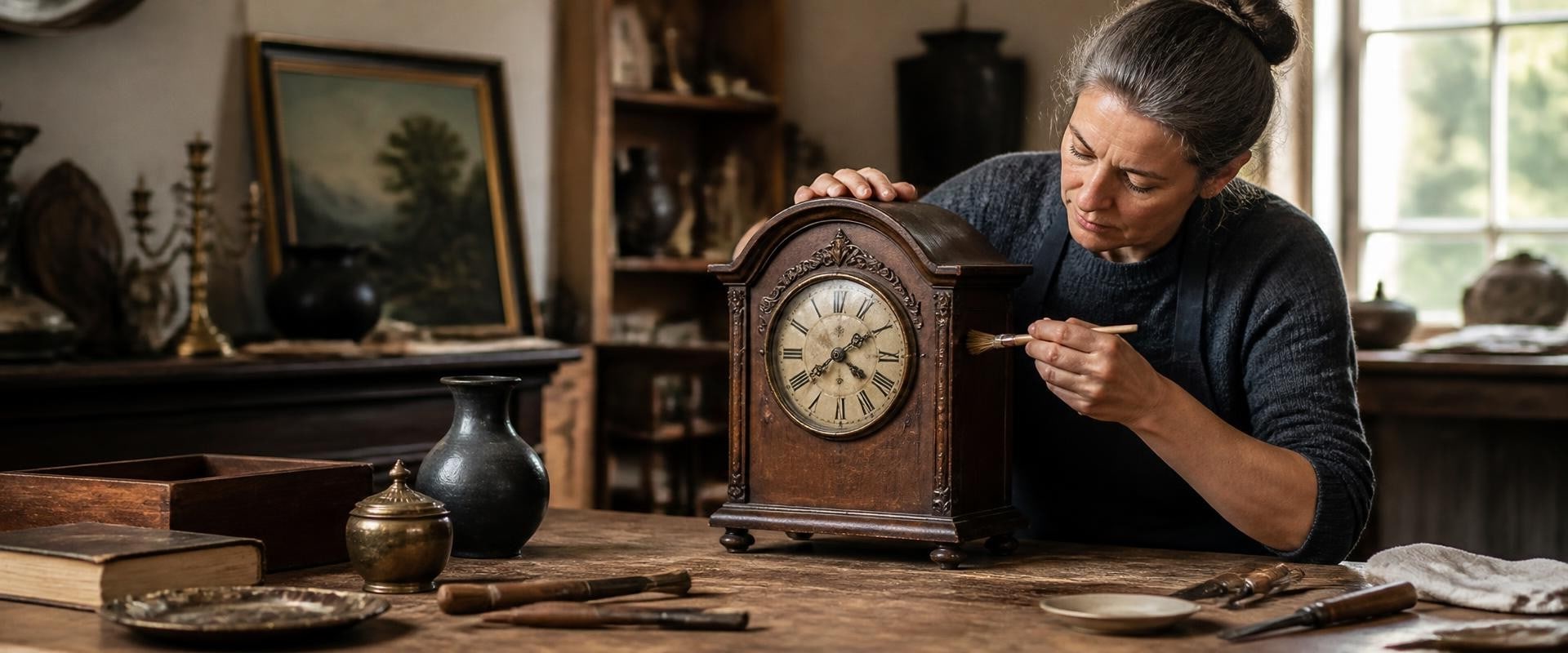
When it comes to selling inherited items, many people face the daunting challenge of determining their true value. Often, these cherished possessions carry not only monetary worth but also sentimental significance. However, before you put these items on the market, have you considered the potential benefits of restoring items before selling? In today's competitive marketplace, taking the time to enhance the condition and appeal of inherited belongings can make a significant difference in the final sale price. Restoration is not just about fixing what is broken; it's about breathing new life into items that tell a story. Whether it’s a vintage piece of furniture, a collection of antiques, or family heirlooms, the right restoration can transform these objects from mere memories into coveted treasures that attract eager buyers.
In this article, we will explore how a thoughtful approach to restoring items before selling can maximize their value and ensure that they find a new home where they will be appreciated. Join us as we delve into essential tips and techniques for restoring inherited items, ensuring that your efforts yield the best possible returns. By understanding the nuances of restoration and its impact on sale prices, you can make informed decisions that honor your family's legacy while also benefiting your financial future. When considering the process of restoring items before selling, it is essential to first understand the various types of items commonly found in estate sales. These can range from vintage furniture and collectibles to antiques and fine jewelry. Each category has its unique characteristics and restoration needs, making it crucial to assess them carefully. Furniture is often one of the most prevalent items in estate sales.
Pieces can vary from ornate Victorian sofas to mid-century modern chairs. Many buyers appreciate the charm of older furniture, but its condition can significantly impact its value. A well-restored piece, such as a refinished dining table that brings back its original luster, can attract more buyers and command a higher price. Restoration might involve reupholstering, refinishing wood surfaces, or repairing structural issues. Collectibles, including coins, stamps, and vintage toys, also populate estate sales.
The value of these items often hinges on their condition. For example, a rare comic book in pristine condition can sell for thousands more than one that is worn or damaged. Restoration in this context may be limited to proper cleaning and preservation techniques rather than extensive repairs. Antiques hold a special place in the market due to their historical significance and craftsmanship. Items like porcelain vases, grandfather clocks, and antique jewelry can fetch impressive prices when restored appropriately.
However, it's vital to ensure that any restoration work maintains the item's integrity; over-restoration can diminish its authenticity and value. For instance, a beautifully restored antique cabinet may sell for double its as-is price if the restoration enhances its original features without compromising its character. Jewelry is another category where restoration can make a notable difference. Vintage rings or necklaces may need cleaning or repairs to stones or clasps. A stunning piece of estate jewelry that has been meticulously restored can shine brightly in listings, attracting bids from collectors eager to own a piece of history. Assessing the condition of items is a critical step in the restoration process.
Begin by examining each item closely for signs of damage, wear, or deterioration. Create a checklist that notes any scratches, dents, missing parts, or other issues needing attention. This assessment will guide your decision on what to restore versus what to sell as-is. If an item is rare or valuable enough, investing in restoration is often worthwhile.
However, if an item has little market demand or is easily replaceable, selling it as-is may be the better option. When considering costs involved in restoration, it's essential to weigh these against potential returns. Restoring a piece can require significant investment in materials and labor—sometimes exceeding the item's eventual sale price if not handled correctly. For example, if restoring an antique chair costs $500 but only increases its market value by $300, it may not be worth the effort. Conversely, investing $200 in restoring a rare collectible that could sell for $1,000 is a smart move. Successful restorations abound and often provide compelling examples of how value can be maximized through careful attention.
One notable case involved a mid-century modern coffee table that was purchased at an estate sale for $150. After careful refinishing and repair work costing approximately $100, it sold for $600 at auction—a clear illustration of how restoration can elevate an item's worth significantly. However, potential disagreements may arise regarding whether to invest in restoration or sell an item as-is. Opinions will vary based on personal experiences and market conditions. Ultimately, it depends on the item's inherent value and the current demand within the market.
Items that are rare or have a strong collector base are more likely to benefit from restoration efforts than those that are commonplace. In conclusion, restoring items before selling is not merely about improving aesthetics; it's about honoring the legacy of those who once cherished these pieces while maximizing their market potential. By understanding the types of items typically found in estate sales and carefully evaluating each piece's condition and value proposition, sellers can make informed decisions that honor both their emotional ties and financial interests.
Common Items That Benefit from Restoration
Restoration can significantly enhance the value of various inherited items, allowing sellers to maximize their returns. Here are some common categories of items that benefit from restoration:Furniture: Antique and vintage furniture often requires restoration to revive its original charm. Techniques include refinishing wood surfaces, reupholstering chairs and sofas, and repairing structural damage.A well-restored piece can attract buyers looking for unique, quality items.
Artwork
: Paintings and sculptures can suffer from wear over time. Restoration techniques may involve cleaning the piece, repairing any damage, and even reframing to enhance its presentation. A professional restoration can breathe new life into art pieces, making them more appealing to collectors.Jewelry
: Inherited jewelry often needs cleaning, resizing, or repairs to bring out its beauty. Techniques such as polishing metals, resetting stones, or replacing missing parts can transform a piece into a stunning accessory that commands a higher price.Collectibles
: Items like coins, stamps, and memorabilia may need careful cleaning or preservation.Techniques can include encapsulating items in protective cases or restoring faded elements to ensure they remain valuable to collectors.
Musical Instruments
: Instruments like violins and pianos can lose their sound quality over time. Restoration may involve tuning, repairing finishes, or replacing worn parts. A beautifully restored instrument not only plays better but also holds greater appeal for musicians and enthusiasts. By focusing on these common items and employing effective restoration techniques, sellers can honor the legacy of their inherited possessions while maximizing their sale potential.Pricing Strategies After Restoration
Once you have successfully restored your inherited items, the next crucial step is to determine the right pricing strategy.Pricing restored items
effectively can significantly impact your ability to attract buyers and maximize profit. First, consider the condition of the item.Items in excellent condition should be priced higher than those with minor imperfections. Be honest about the quality of your restoration work and how it enhances the item’s overall appeal. Next, research current market trends. Understanding what similar items are selling for in California is essential. Websites like eBay, Etsy, and auction houses can provide valuable insights into pricing.
Keep an eye on the demand for certain types of items, especially those that are popular among collectors or vintage enthusiasts. Additionally, look for comparable sales in your area. If possible, find recently sold items that are similar in style, age, and condition to yours. This comparative analysis will give you a better idea of how to position your price competitively. Finally, remember that emotional value can play a role in pricing. While it's tempting to price items based on sentimental value, it’s essential to balance this with market realities.
Setting a fair price that reflects both the restoration quality and current market conditions will help ensure a successful sale while honoring the legacy of the items you are selling.
DIY vs. Professional Restoration: Making the Right Choice
When it comes to restoring inherited items before selling, the decision between DIY methods and hiring professional restoration services can be pivotal. Understanding the complexity of the item and the desired outcome is key in making the right choice. For simple touch-ups, such as cleaning or minor repairs, a DIY approach may suffice.However, for valuable antiques or items with significant sentimental value, seeking out a professional may be advisable. Consider the following factors when deciding:
- Skill Level: Assess your own skills and experience. If you have a background in restoration or crafting, you might feel confident tackling certain projects yourself. If not, it might be best to leave it to the experts.
- Value of the Item: High-value items often require specialized knowledge and tools for proper restoration. Professionals have the expertise to enhance these items without diminishing their value.
-
Time and Effort: Restoring items can be time-consuming.
If you are short on time or prefer to focus on other aspects of selling, consider hiring a professional.
Understanding the Value of Restoration
Restoration plays a crucial role in enhancing the market value of inherited items, particularly in the vibrant California estate sales market. When items are restored to their former glory, they not only become more visually appealing but also carry a sense of history and craftsmanship that attracts potential buyers. Statistics show that well-restored antiques can fetch up to plays a crucial role in enhancing the market value of inherited items, particularly in the vibrant California estate sales market. When items are restored to their former glory, they not only become more visually appealing but also carry a sense of history and craftsmanship that attracts potential buyers. Statistics show that well-restored antiques can fetch up to 50% more than their unrefurbished counterparts.For instance, a study conducted by the Antique Appraisers Association revealed that fully restored furniture items sold for an average of $2,500, compared to $1,500 for those that were not restored. This significant price difference highlights the financial benefits of investing in restoration.Case studies from California estate sales further illustrate this point. One notable estate sale in Los Angeles featured a collection of vintage furniture that had been expertly restored. The final auction prices exceeded estimates by nearly 30%, demonstrating how restoration can elevate an item’s desirability and perceived value.
In contrast, similar items that were left in their original, worn condition struggled to attract bids. The emotional connection to inherited items cannot be overlooked either. Restoring these pieces not only enhances their physical appeal but also honors the legacy of loved ones. Buyers are often willing to pay a premium for items that resonate with their memories and sentiments, making restoration an invaluable step in the selling process. In conclusion, understanding the value of restoration is essential for anyone looking to maximize the profits from selling inherited items. By investing time and resources into restoration, sellers can significantly increase the market value and ensure that these cherished pieces find new homes at attractive prices.
Resources for Selling Inherited Items Effectively
When it comes to selling inherited items, having access to the right resources can make a significant difference in achieving the best possible outcome.Here are some valuable resources to consider:Local Estate Sales: Websites like EstateSales.net and estatesale.com are excellent platforms for finding local estate sales in your area. These sites provide listings of upcoming sales, complete with descriptions and photographs of the items being sold. This can give you an idea of what similar items are fetching and help you determine the potential value of your inherited pieces.
Auction Houses
: Consider reaching out to reputable auction houses in California, such as Bonhams or Sotheby’s, which often hold auctions for antiques and collectibles. These professionals can provide valuable insights into the market and may help you set a realistic price for your items.Online Marketplaces
: Platforms like eBay, Craigslist, and Facebook Marketplace have become popular venues for selling restored items.Each of these platforms has its unique audience, so it’s wise to tailor your listing to attract potential buyers effectively. Ensure that you present your items well, highlighting their restored condition.
Specialty Websites
: There are also niche websites focused on specific types of items, such as Chairish for furniture or Reverb for musical instruments. These platforms cater to particular buyer demographics and can help you connect with collectors interested in restored pieces. By utilizing these resources, you can enhance your selling strategy and maximize the value of your inherited items through effective restoration and marketing.Legal Considerations for Selling Restored Items in California
When it comes to selling restored items in California, it’s crucial to be aware of the legal considerations that govern such transactions. Whether you’re conducting an estate sale or utilizing other sales channels, understanding these requirements can help you avoid potential legal pitfalls and ensure a smooth selling process. First and foremost, if the items you are selling have been significantly altered or restored, you may be required to disclose this information to potential buyers.California law mandates that sellers must provide clear and accurate representations of their items. Failing to disclose any major repairs or restorations could lead to disputes or legal action from buyers who feel misled. Additionally, depending on the type of items being sold, there may be specific regulations regarding the sale of antiques, collectibles, or art pieces. For instance, certain items may need to come with provenance documentation or certification of authenticity. It’s wise to check whether your restored items fall under any such categories. Another important aspect to consider is local business licenses.
If you plan to hold an estate sale or operate a resale business, you may need to obtain a seller’s permit or a business license from your local government. This requirement ensures that you are operating legally and are compliant with state sales tax regulations. Finally, keep in mind that some items might be subject to specific laws regarding their sale. For example, vintage firearms or certain types of jewelry may have additional restrictions. Always research the specific laws applicable to the items you are selling to ensure compliance. In summary, when selling restored items in California, it is essential to understand and adhere to legal requirements concerning disclosures, licenses, and regulations specific to the items in question.
By doing so, you can enhance your credibility as a seller and foster trust with potential buyers. In conclusion, restoring items before selling is not merely a practical step; it is a vital investment that can significantly enhance the value of inherited possessions. Throughout this article, we have explored the various facets of restoration, from understanding its value to determining whether to undertake DIY efforts or seek professional help. We discussed common items that benefit immensely from restoration and highlighted effective pricing strategies post-restoration. Moreover, we delved into the legal considerations specific to California, ensuring that you are well-informed as you navigate the selling process. By taking the time to restore inherited items, you can honor the legacy of loved ones while also maximizing your financial returns. We encourage you to view restoration not just as an option, but as a necessary step in achieving a more fulfilling and profitable selling experience.
As you prepare for your next estate sale, consider prioritizing restoration—it’s an investment that pays dividends.

Gerardo Liverani
Gerardo Liverani is a seasoned expert in California estate sales and estate liquidation, bringing years of experience to help individuals navigate the complexities of selling inherited items and organizing successful estate sales. With a deep understanding of the legal considerations and best practices specific to California, Gerardo provides actionable insights and strategies for pricing, marketing, and conducting estate sales effectively. Whether you're looking to hire a professional estate sale company or want to tackle the process yourself, Gerardo's expertise ensures that you are well-equipped to make informed decisions throughout your estate sale journey.