Creating an Effective Sale Space for Estate Liquidation
Learn how to set up an estate sale space in California, including tips on organization, pricing, legal considerations, and resources.
- How to Organize an Estate Sale
- Planning and Preparation
- Setting up the sale space

When it comes to estate liquidation, one of the most critical elements that can significantly impact the success of your sale is the When it comes to estate liquidation, one of the most critical elements that can significantly impact the success of your sale is the setting up the sale space. The way you arrange and organize your items not only enhances their appeal but also creates an inviting atmosphere for potential buyers. Imagine walking into a well-thought-out space where items are not just displayed but showcased in a manner that tells a story. This is the essence of creating an effective sale space. In this article, we will explore the key strategies and considerations necessary for crafting a sale environment that captivates your audience and maximizes sales.
Whether you're dealing with cherished antiques, modern furnishings, or collectibles, the setup of your sale space can make all the difference. From layout design to lighting and signage, each aspect plays a vital role in drawing in customers and encouraging purchases. Join us as we dive deep into the art of setting up your sale space effectively. Learn how to transform your environment into a shopper's paradise while ensuring that every item is presented in its best light. By the end of this article, you will be equipped with actionable insights that will not only enhance your selling experience but also lead to a successful estate sale. Creating an effective sale space for estate liquidation requires meticulous planning and preparation.
The importance of a well-organized sale space cannot be overstated, especially in a state like California, where competition can be fierce. A thoughtfully arranged sale not only attracts more buyers but also helps maximize profits from the sale of inherited items, which often hold emotional significance for sellers. One of the first steps in setting up the sale space is choosing the right location. Ideally, the location should be accessible and visible to potential buyers. Whether it is a garage, a backyard, or a rented venue, the space should be large enough to accommodate all items without feeling cramped.
Selecting a high-traffic area can also increase footfall, providing more opportunities for sales. Once the location is secured, the next step involves arranging items for optimal visibility. This means strategically placing items so that they are easily seen and accessed by customers. Grouping similar items together can create a cohesive look that encourages buyers to browse longer. For instance, displaying kitchenware on one table and furniture in another area allows buyers to find what they are looking for quickly.
Additionally, ensuring that pathways between items are clear will facilitate movement and enhance the shopping experience. Another vital aspect of setting up the sale space is implementing effective pricing strategies. Pricing items appropriately can be a delicate balance between attracting buyers and ensuring fair compensation for sellers. It is beneficial to conduct research on similar items to gauge market value. Providing bulk pricing or discounts for multiple purchases can also incentivize buyers to make larger purchases.
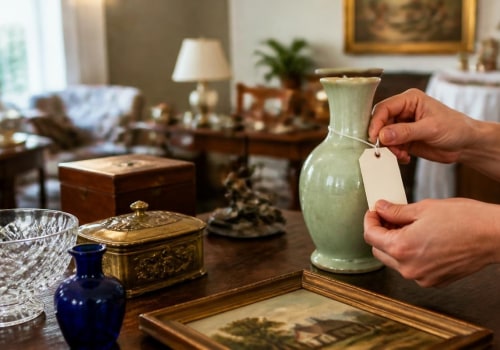
Clear pricing labels can help avoid confusion and streamline transactions. Creating an inviting atmosphere is equally important when setting up a sale space. Simple touches such as clean displays, well-lit areas, and friendly signage can make a significant difference in how potential buyers perceive the sale. For instance, using bright colors for signage can catch attention, while clear labels help guide customers through different sections of the sale. Successful estate sales often showcase these elements; for example, a recent estate sale featured colorful banners indicating various sections, which effectively drew in crowds. While there are numerous strategies to consider, it’s essential to acknowledge that there are different approaches to pricing and presentation that may resonate more with some sellers than others.
Some may prefer a firm pricing strategy, while others might opt for negotiation-friendly prices. Encouraging readers to experiment with what feels right for their situation can lead to more personalized and successful outcomes. Ultimately, setting up an estate sale space effectively requires careful consideration of several key elements—location selection, item arrangement, pricing strategies, and atmosphere creation. Each factor plays a crucial role in attracting buyers and maximizing profit potential while simultaneously easing the emotional burden of selling inherited items. By focusing on these essential components, sellers can create an engaging sale space that not only showcases their possessions but also honors the memories associated with them.
Organizing Items for Sale
When it comes to organizing items for sale, a systematic approach can make a significant difference in the overall success of your estate sale.Start by categorizing items based on their type, such as furniture, collectibles, kitchenware, and clothing. This will not only make it easier for you to manage the sale but also help potential buyers quickly locate what they are looking for. Using tables or display cases effectively is crucial in showcasing your items. Ensure that tables are clean and well-arranged, with similar items grouped together. For instance, place all kitchen items on one table and all decorative pieces on another.
This arrangement allows buyers to browse through related items without feeling overwhelmed. Additionally, consider using display cases for valuable or fragile items. These cases not only protect the items but also attract attention, encouraging buyers to take a closer look. Make sure that each item is clearly labeled with a price tag to facilitate easy purchasing decisions. Ensuring easy navigation for buyers is essential in creating a pleasant shopping experience. Leave enough space between tables for people to move around comfortably.
Use clear signage to direct buyers to different categories of items, and consider creating a map of the sale layout if your space is large. This approach will help reduce congestion and make the shopping experience more enjoyable for everyone involved.
Promoting Your Estate Sale
Effectively promoting your estate sale is crucial to attracting potential buyers and ensuring a successful event. One of the most impactful ways to reach a wide audience is through social media. Utilize platforms like Facebook, Instagram, and Twitter to share engaging posts about your upcoming sale.Create a dedicated event page on Facebook where you can provide details such as the date, time, location, and types of items available. Use eye-catching images of high-value items to draw attention and encourage sharing among friends and family. In addition to social media, consider utilizing local classifieds. Websites like Craigslist or community-specific platforms can help you reach individuals who are actively searching for estate sales in your area. Craft a compelling ad that includes key details and highlights unique or valuable items to pique interest. Community boards are another effective way to promote your estate sale.
Check local coffee shops, libraries, and community centers for bulletin boards where you can post flyers. Make sure your flyers are visually appealing and contain all necessary information, including contact details for inquiries. Lastly, word-of-mouth can be incredibly powerful. Encourage friends, family, and neighbors to spread the word about your estate sale. The more people who know about it, the more potential buyers you’ll attract.
Legal Considerations in California
When organizing an estate sale in California, it is essential to understand the legal considerations that come into play.This ensures that your sale is conducted smoothly and within the bounds of the law. One of the first steps in this process is to check if you need any permits. Depending on your local jurisdiction, some areas may require a permit for conducting an estate sale, particularly if it involves a large number of items or occurs over multiple days. Additionally, understanding the tax implications of your estate sale is crucial. In California, sales tax applies to most items sold at estate sales, which means you will need to collect sales tax from buyers and remit it to the state.
It’s advisable to register with the California Department of Tax and Fee Administration (CDTFA) to obtain a seller's permit if you plan to sell items regularly. Moreover, be aware of any local regulations that might affect your sale, such as noise ordinances or restrictions on signage. Each city may have different rules regarding how and where you can advertise your sale, so it's important to familiarize yourself with these details before proceeding. Finally, if you're selling items that belonged to a deceased person, it's wise to consult with an attorney or estate planner regarding any potential legal issues related to the estate. This step can help you avoid disputes among heirs and ensure that the sale complies with California estate laws.
Resources for Selling Inherited Items
When it comes to selling inherited items, having the right resources at your disposal can make a significant difference in the success of your estate sale. California offers various professional services that can assist in the process of estate liquidation, ensuring that you receive fair value for your belongings while minimizing stress.Appraisers
are essential for determining the value of valuable items, including antiques, jewelry, and collectibles.Professional appraisers have the expertise to assess the worth of these items accurately, helping you set realistic prices for your estate sale.
Auction houses
are another excellent resource for selling high-value items. They provide a platform for competitive bidding, often resulting in prices that exceed initial expectations. Many auction houses also offer services to help with staging and promoting your items effectively.Estate sale companies
specialize in organizing and conducting estate sales. They handle everything from setting up the sale space to marketing the event and managing transactions on sale day.By hiring an estate sale company, you can save time and ensure that your inherited items are showcased professionally, attracting more potential buyers. Utilizing these professional resources not only simplifies the process of selling inherited items but also enhances the overall experience for both sellers and buyers. By leveraging their expertise, you can maximize profits and ensure a smoother transition during what can be an emotional time.
Pricing Strategies
When setting up the sale space for an estate sale, one of the most critical aspects is establishing effective pricing strategies.Pricing items competitively
requires a careful balance between understanding their market value and acknowledging their sentimental worth. This approach not only attracts potential buyers but also ensures that you receive a fair return on the items being sold. To begin with, it's essential to conduct thorough online research.Websites like eBay, Craigslist, and specialized auction sites can provide valuable insights into current market trends and prices for similar items. By searching for sold listings, you can gauge what buyers are willing to pay and adjust your pricing accordingly. In addition to online resources, consider conducting local comparisons. Visiting other estate sales, thrift stores, or antique shops can give you a firsthand look at how similar items are priced in your area. This not only helps in setting competitive prices but also allows you to assess the demand for specific types of items. Another effective strategy is to categorize items based on their condition and desirability.
Items in excellent condition or those that are rare may warrant a higher price point, while more common or worn items may need to be priced lower to attract buyers. Moreover, consider offering bundle deals or discounts on multiple purchases to encourage buyers to spend more. Lastly, keep in mind the emotional aspects involved in selling inherited items. While it’s important to price items competitively, being sensitive to the sentimental value associated with certain possessions can help ease the process for both you and potential buyers. A well-thought-out pricing strategy not only reflects the item's worth but also respects its story and significance.
Choosing the Right Location
When planning an estate sale, choosing the right location is crucial to its success.The venue can significantly impact foot traffic and, ultimately, sales. Here are some key factors to consider:Accessibility is one of the foremost considerations. The location should be easy to find and navigate for potential buyers. If your estate sale is held in a residential area, ensure that the roads leading to the property are well-maintained and clearly marked.
Additionally, consider how easy it is for people with disabilities or mobility issues to access the sale. Another important factor is parking availability. Buyers will often drive to estate sales, so sufficient parking space is essential. Look for locations with ample on-street parking or nearby lots. If your estate sale is in a neighborhood with limited parking, it may deter potential buyers from attending.
Providing clear instructions about where to park can also enhance the overall experience. The characteristics of the neighborhood also play a significant role in attracting buyers. Ideally, choose a location in a safe and reputable area that aligns with your target demographic. A neighborhood known for its upscale homes may attract buyers looking for high-value items, while a more affordable area may appeal to bargain hunters. Understanding the community’s dynamics can help you tailor your marketing efforts and expectations accordingly. Finally, consider the size and layout of the space itself.
A large, open area will allow for better organization and display of items, making it easier for buyers to browse through what’s available. Ensure there’s enough room for movement and that items are displayed in an inviting manner. By carefully considering these factors when selecting your sale location, you can create an environment that not only draws in more buyers but also enhances their overall shopping experience. In conclusion, creating an effective sale space is paramount for a successful estate liquidation. We discussed essential elements such as choosing the right location, organizing items for sale, and implementing pricing strategies. Additionally, we highlighted the importance of understanding legal considerations in California and utilizing available resources for selling inherited items.
Proper promotion of your estate sale can further enhance visibility and attract more potential buyers. The emotional weight of selling inherited items can be challenging; however, a well-organized and professional setup can significantly ease this process. By applying the insights shared in this article, you can not only maximize profits but also create a respectful and engaging atmosphere for buyers. We encourage you to take these tips to heart and consider seeking out professional assistance when necessary to ensure a smooth and profitable estate sale experience.

Gerardo Liverani
Gerardo Liverani is a seasoned expert in California estate sales and estate liquidation, bringing years of experience to help individuals navigate the complexities of selling inherited items and organizing successful estate sales. With a deep understanding of the legal considerations and best practices specific to California, Gerardo provides actionable insights and strategies for pricing, marketing, and conducting estate sales effectively. Whether you're looking to hire a professional estate sale company or want to tackle the process yourself, Gerardo's expertise ensures that you are well-equipped to make informed decisions throughout your estate sale journey.